
Silicone moulds for concrete
and bespoke forms
We make silicone and rigid moulds for casting concrete, plaster and resins, and for producing GRP elements. We also prepare master models – from a design, drawing or supplied sample.
Concrete · plaster · resins · GRP
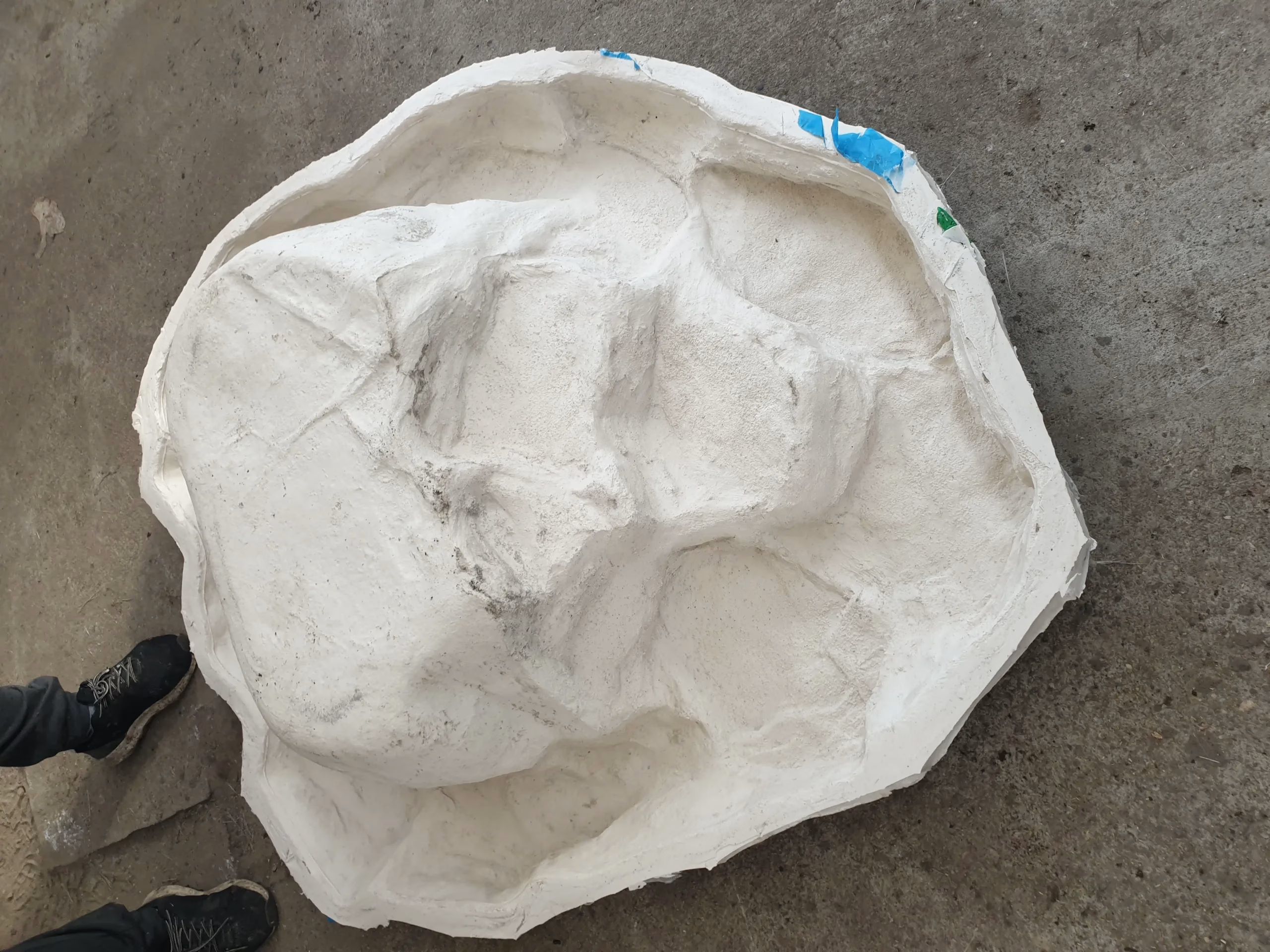
- concrete · plaster · resins
- moulds for different casting materials
- 1 or more parts
- divisions suited to the shape and undercuts
- master model
- made to a design or sample
What moulds
do we make?
We start the selection with the model, casting material and number of repetitions. We also determine the division of the mould, how the elements will be removed and whether the mould needs a rigid supporting jacket.
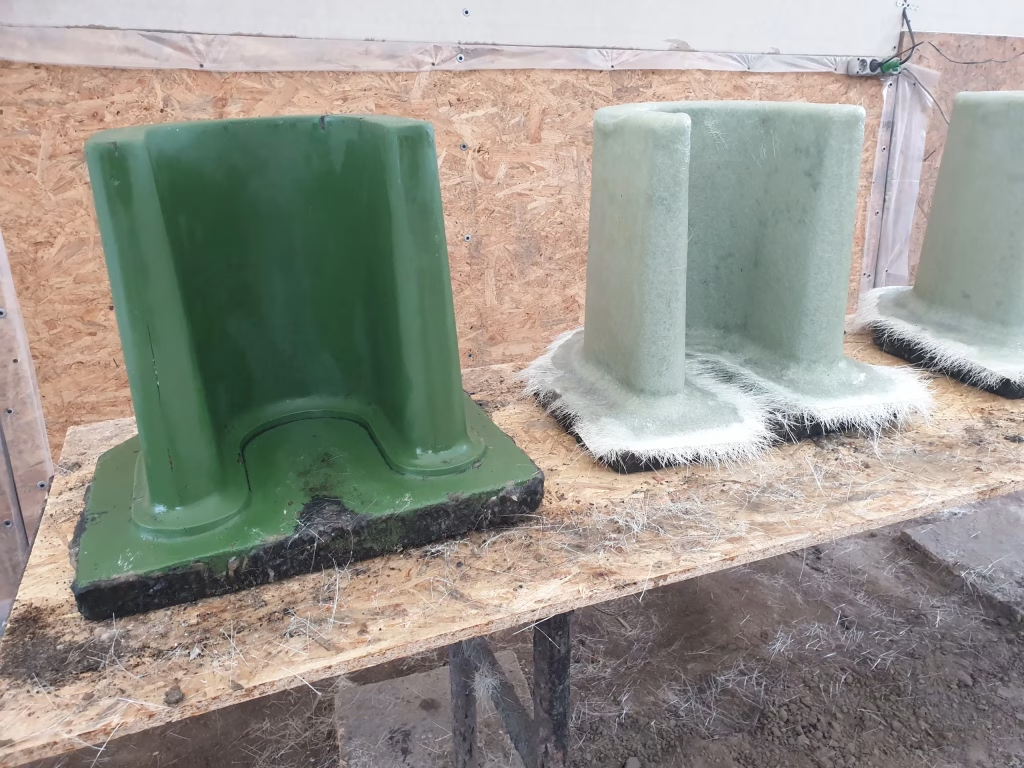
Silicone moulds for concrete
For decorative stone, tiles, cladding, plinths and textured elements. Silicone reproduces fine detail and makes castings easier to remove.
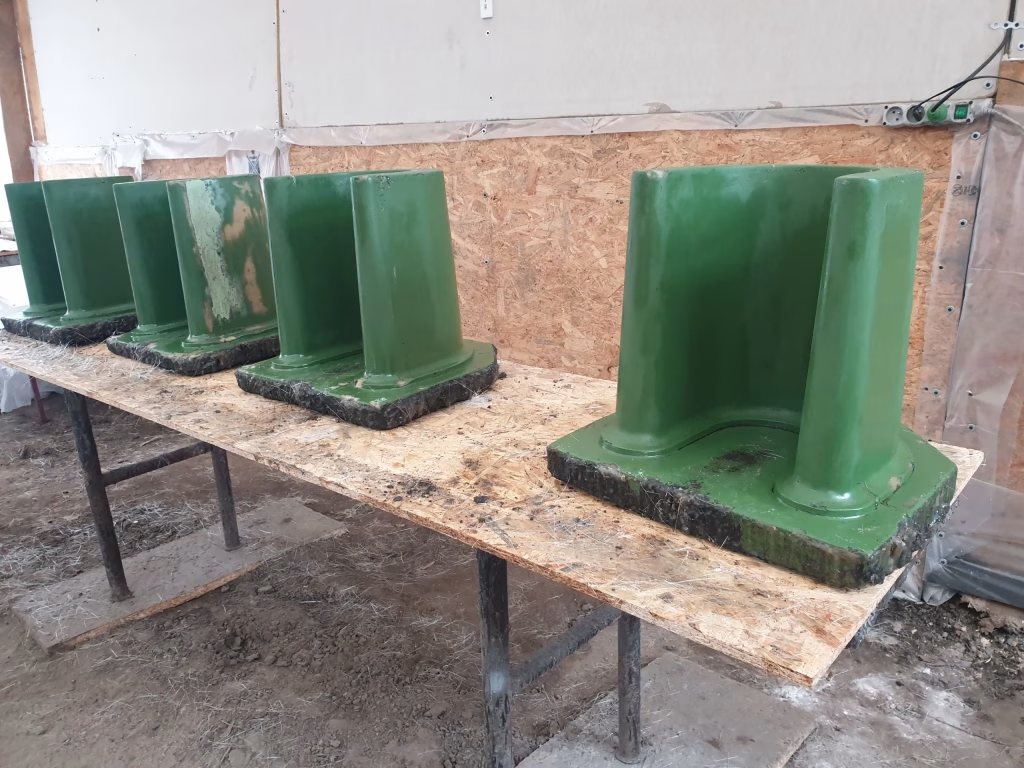
Moulds for plaster and resins
For decorative plasterwork, architectural details, sculptures and decorative elements. We choose the silicone type and hardness to suit the casting material.
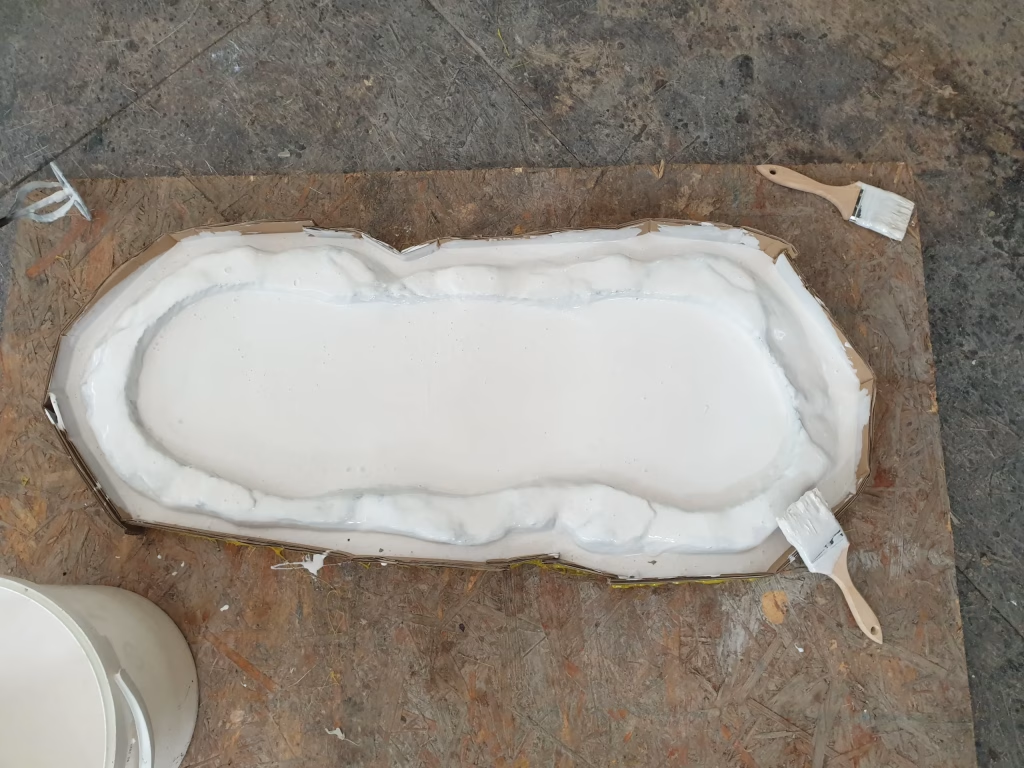
Rigid moulds and models
GRP moulds for repeat production and master models made to a design or supplied sample.
Types of mould
Which mould
for which casting?
Selection depends on the casting material, detail and number of repetitions. These are general guidelines – we agree the solution for each element when preparing the quotation.
| Criterion | Condensation-cure silicone | Addition-cure silicone | Rigid mould (GRP) |
|---|---|---|---|
| Typical application | concrete, plaster, decorative castings | precise details, resins, longer runs | laminate elements, repeatable production |
| Detail reproduction | very good | very good, low shrinkage | depends on the mould surface |
| Flexibility | high – easy removal from undercuts | high, greater tear resistance | rigid – no deep undercuts |
| Durability | good | higher | high when used correctly |
| Cost | more favourable | higher | depends on size and number of parts |
Projects
Moulds in our
projects
Silicone moulds create the textures of all our rocks – from scenery at Suntago to cacti and theatre decorations.
All projects
A StoneDeco project
Jungle Quest at Suntago: scenery production
Sculpted prototypes, silicone moulds and GRP elements made to the client's design.
- approx. 4 weeks production in the workshop
- 5 working days on-site work
- 5 people project team
A StoneDeco project
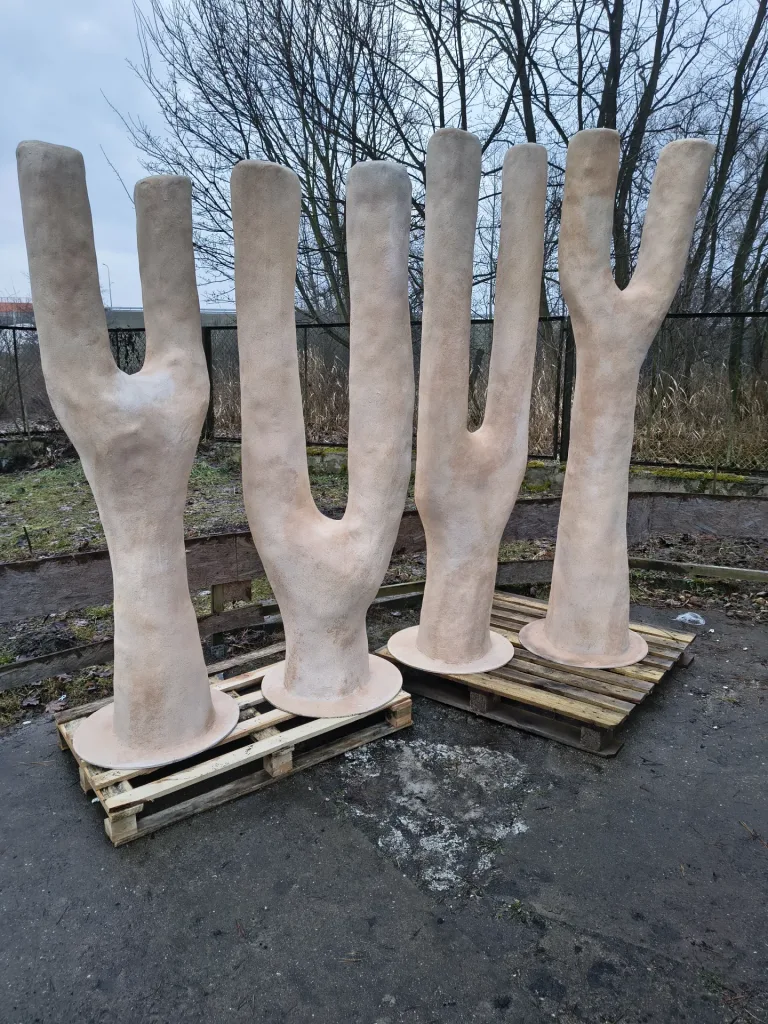
Decorative cacti for a clothing shop
Cacti 2.5–3 m tall, made to the client's design.
Explore the project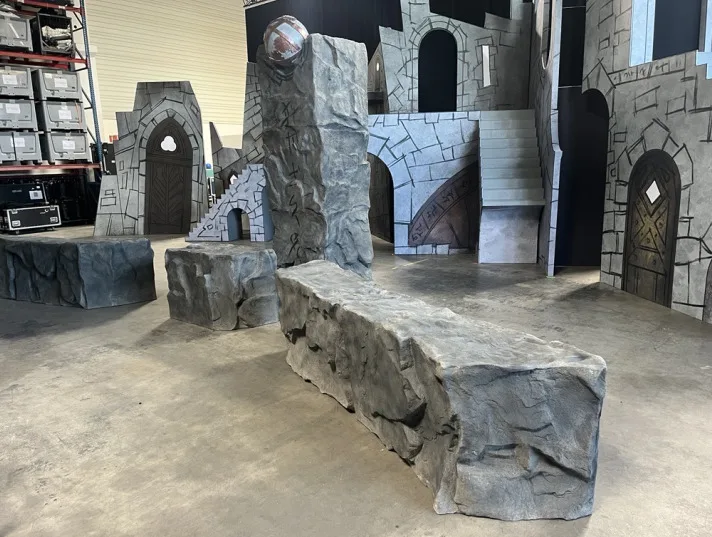
A StoneDeco project
Monolith, sphere and rock table tops for a theatre
Making a monolith with a sphere and rock tops for theatre scenery.
Explore the project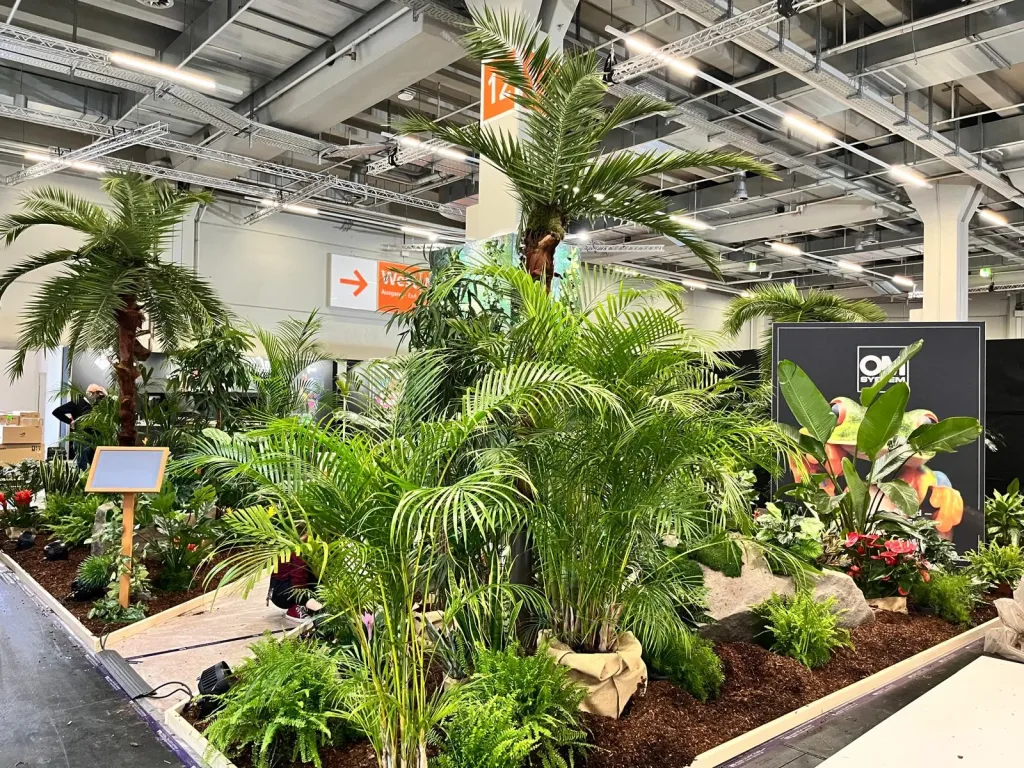
A StoneDeco project
Jungle-themed exhibition stand
Original stand arrangement with rocks and artificial greenery.
Explore the projectA similar scope at your facility?
Let us discuss productionProduction
What we consider
when making moulds?
A good mould reproduces every detail of the model and withstands the planned number of castings.
How we work in the workshopModel and surface
The model must be sealed and prepared – every scratch will transfer to the casting.
Undercuts and divisions
We plan the parting line to be as unobtrusive as possible on the casting.
Supporting jacket
Large moulds receive a rigid GRP supporting jacket to hold their shape during pouring.
Casting material
We choose silicone to suit concrete, plaster or resin – each material interacts differently with the mould.
Ordering step by step
How to order
a mould?
From a photograph of the element to the finished mould – workshop collection or shipping.
How we workPhotograph or drawing
Dimensions, casting material and planned quantity.
Mould selection
Silicone type, divisions and supporting jacket – or a rigid mould.
Model and mould
We prepare a model or your sample and make the mould.
Collection or shipping
Mould inspection, with a trial casting within the agreed scope.
For a mould quotation
Photograph or drawing of the element, dimensions, casting material, quantity and whether a finished model is available.
What are silicone moulds used for?
A silicone mould is a flexible negative of a model in which the same element can be cast repeatedly. Silicone accurately reproduces texture – from the pattern of stone to a fine ornament – and allows the casting to be removed without damaging details. Silicone moulds are used for concrete, plaster, resins and composite materials.
- Concrete – decorative and façade stone, tiles, cladding, plinths, planters and landscape elements.
- Plaster – decorative plasterwork, ceiling roses, cornices, architectural details and props.
- Resins – decorative elements, sculptures and scenery details.
- GRP – rock textures used to create our artificial rocks.
How do we select a mould?
Silicone type
Silicones differ in curing method (condensation and addition), hardness and resistance to contact with the casting material. We choose different silicone types and hardnesses for concrete, plaster and resins so that the mould is durable and reproduces detail well.
Single-part or multipart mould
Flat textured elements are usually cast in a single-part mould. Three-dimensional forms, undercuts and deep recesses require the mould to be divided into parts and the parting line planned to be as unobtrusive as possible.
Supporting jacket
Larger silicone moulds need a rigid supporting jacket to maintain their shape during pouring. We usually make this from GRP.
Rigid moulds
Rigid moulds are used for repeat production of GRP elements. The quality of their working surface is crucial because every casting reproduces it. More about GRP product manufacture on the page GRP production.
From model to finished mould
- Model – supplied by the client or made by us to a design, drawing or sample.
- Preparation – sealing and protecting the model surface, planning divisions.
- Mould making – applying silicone and, where needed, a supporting jacket.
- Checking – inspecting the mould, including a trial casting within the agreed scope.
- Handover – collection from the workshop or shipping.
Examples of silicone moulds for concrete and GRP
Silicone moulds are fundamental to our work: we use them to cast rock textures for water parks, hotels and gardens. For the scenery Jungle Quest at Suntago we prepared sculpted prototypes, silicone moulds and GRP elements to the client's design. We also make imitations and bespoke forms for shops, scenery and displays.
Do you make silicone moulds for concrete?
Yes. This is one of our main production services. Before selecting a mould, we need information about the element's shape, dimensions, texture, casting material and expected number of repetitions.
Can I supply my own model?
Yes. We will assess the model's condition and geometry and whether it needs preparation – for example, sealing the surface or adding a base – before making the mould.
Can I order a mould without a finished model?
Yes. We can make a master model from a design, drawing, photograph or sample. Work on the model is then included in the quotation.
How many castings can be made in one mould?
This depends on the silicone type, the element's shape, the casting material and how the mould is used. A mould behaves differently with concrete than with plaster or resin. At the quotation stage, we select a solution for the planned quantity.
How much does a silicone mould cost?
Cost depends on the size and complexity of the model, the amount of silicone, the number of mould parts, the supporting jacket required and whether a model needs to be made. A photograph or drawing, dimensions, casting material and quantity are enough for a quotation.
Do you ship moulds to the client?
Yes. We can ship finished moulds or prepare them for collection from the Wołów workshop. We choose the packaging method to suit the mould's size.
Let us discuss the model
and casting mould
A photograph or drawing of the element, dimensions, casting material and planned quantity are enough. We will respond with a proposed mould type and the scope of the quotation.
Send a finished design or simply an idea.
The initial conversation carries no obligation.